Categories
Retail Marketing Communications Digital Media Advice

3 Ways Integrated Media Can Increase Retail Visits

In today’s rapidly evolving marketing landscape, a successful campaign requires a strategic and integrated approach to media planning. Integrated media planning involves carefully considering various media platforms to reach your target audience effectively. By crafting a cohesive and consistent brand experience across multiple channels, you can maximize your reach and drive tangible results. This blog post will dive into the power of integrated media planning, debunk the misconception of a digital-only approach and highlight the benefits of digital retail media for growing brands.

According to Hubspot, an integrated media plan revolves around answering critical questions about your target audience and determining which mediums will best reach them. Whether it’s Instagram and Twitter to engage millennials or a combination of radio and Facebook to connect with Gen X, an integrated approach ensures that your ads are consistent and coherent across different channels. The goal is to present a unified campaign to audiences, regardless of where they come across your brand.

While digital marketing holds significant importance, it’s essential to recognize that driving reach in the retail sector necessitates the strategic interplay of various tactics, as emphasized by Blue Onion Media. This means leveraging traditional methods that may have been considered “dead” alongside emerging options. The key is to find the right mix that aligns with your target audience and campaign objectives.

For growing brands, digital retail media presents immense opportunities, particularly in leveraging the online presence of larger retailers, as noted by Tinuiti. By strategically placing targeted ads, brands can tap into the existing visibility of established online marketplaces and connect with highly relevant consumers who are actively seeking products to purchase. Moreover, digital retail media enables brands to capitalize on the exponential growth of e-commerce, access valuable customer and sales data, and enhance visibility through trusted channels.

The statistics from Tinuiti further underscore the significance of retail media networks in the marketing ecosystem. With annual sales growth exceeding 20% and projected to reach $41 billion by 2030, these networks are becoming a major player in the digital ad spending landscape. McKinsey predicts that the combination of retail and traditional media capabilities could generate an estimated $1.3 trillion in enterprise value by 2026. As online retail sales are forecasted to surpass $7 trillion globally by 2025, accounting for over 23% of all retail sales, the effectiveness of retail media ads will continue to drive growth in the e-commerce sector.

In this blog post, we explore three effective ways integrated media can increase retail visits, drive foot traffic and boost sales. By harnessing the power of social media engagement, innovative offline marketing tactics and retail media networks, retailers can create a comprehensive and impactful strategy that stands out in the dynamic retail landscape. In the following sections, we outline each approach in detail and provide actionable insights to help you implement these strategies successfully. Stats from: Tinuiti, eMarketer, McKinsey. 

Social Media Engagement: Generating Buzz and Driving Traffic

In today’s digital age, social media plays a pivotal role in attracting customers to retail stores. By effectively leveraging social media platforms, retailers can generate buzz, increase brand visibility and drive foot traffic. Here are some creative ideas to harness the power of social media for increasing foot traffic:

1. Run social media contests or promotions. Encourage customers to visit your store by organizing contests or promotions exclusively on social media platforms. Offer enticing incentives such as exclusive discounts, freebies, or giveaways for those who visit your store and engage with your brand.

2. Engage with customers through compelling content. Share behind-the-scenes glimpses, sneak peeks of new products, or customer testimonials on your social media channels. This not only creates excitement and anticipation but also gives customers a reason to visit your store to experience these offerings firsthand.

3. Collaborate with local influencers or micro-influencers. Identify influencers or micro-influencers in your target market who have a strong social media presence. Collaborate with them to promote your store and encourage their followers to visit. This can significantly expand your reach and attract a broader audience to your physical location.

4. Create interactive and shareable content. Develop interactive content that encourages users to tag their friends and visit your store together. This could include polls, quizzes, or challenges related to your products or store experience. By making the content shareable, you can amplify its reach and generate organic word-of-mouth referrals.

Innovative Offline Marketing Tactics: Standing Out in a Mall Environment

In a bustling mall environment, it is crucial to think outside the box and implement innovative offline marketing strategies to capture customers’ attention and drive foot traffic. Consider the following tactics to make your store stand out:

1. Organize live events, pop-up shops, or workshops. Host unique and engaging events within the mall premises to attract customers and provide them with memorable experiences. This could include product demonstrations, interactive workshops, or live performances. These events create a buzz and make your store a destination within the mall.

2. Collaborate with complementary retailers in the mall. Forge partnerships with other retailers in the mall that offer complementary products or services. Together, you can create cross-promotions, joint events, or loyalty programs that incentivize customers to visit multiple stores. By offering a cohesive shopping experience, you can increase foot traffic collectively.

3. Utilize eye-catching signage and displays. Capture the attention of passersby with visually appealing signage, window displays, or interactive installations. Use creative lighting, bold colors, or unique visual elements that align with your brand identity. These attention-grabbing displays will entice customers to step into your store.

4. Offer exclusive in-store promotions or limited-time deals. Create a sense of urgency and FOMO (fear of missing out) by offering exclusive promotions or limited-time deals that are only available to mall visitors. Highlight these offers through various channels, including social media and mall directories, to create awareness and drive foot traffic to your store. 

Retail Media Networks: Amplifying Visibility and Targeted Marketing 

Digital retail media has revolutionized how brands connect with customers and increase foot traffic. Retail media networks offer unique advertising and promotional opportunities within established e-commerce platforms or retail websites. Here’s what you need to know about leveraging retail media networks: 

1. Understand retail media. Retail media refers to advertising and promotional opportunities within online marketplaces or retail websites. By utilizing these networks, brands can reach customers who are already in a shopping mindset, increasing the chances of driving conversions and foot traffic to their physical stores.

2. Targeted marketing through retail media. Retail media networks allow brands to leverage customer data to target specific audiences based on their preferences, purchase history and shopping behavior. This targeted approach ensures that your ads reach the right people at the right time, increasing the likelihood of driving foot traffic and conversions.

3. Measuring impact and optimizing campaigns. Retail media networks provide valuable insights into customer engagement, allowing brands to measure the impact of their marketing investments. By tracking key metrics such as sales data, customer behavior, and ROI, brands can optimize their campaigns, refine their targeting strategies, and calculate the effectiveness of their retail media efforts.

4. Improving overall visibility and brand recognition. Placing your products within trusted and popular online marketplaces through retail media networks can significantly improve your brand’s visibility. When customers see your products in reputable online retail environments, they are more likely to trust your brand and be enticed to visit your physical store to make a purchase.

In conclusion, Integrated media strategies that combine social media engagement, innovative offline marketing tactics, and the power of retail media networks are essential for increasing retail visits, driving foot traffic, and boosting sales. By implementing creative ideas, leveraging targeted marketing, and providing unique in-store experiences, retailers can stand out in a crowded marketplace and attract customers to their physical stores.

For more detailed insights and guidance on taking your retail brand to the next level, check out Push’s Retail page here. You can also find valuable information on how to make your retail brand stand out in our blog post here.
Categories
Restaurant Branding Marketing Communications Advice

Best Pizza Restaurant Websites to Inspire Your Next Redesign

In the bustling space of pizza delivery businesses, having a remarkable website is not just a digital placeholder, but a crucial marketing tool. The right web design can attract more customers, generate higher income and create a wave of recommendations from satisfied customers. While there are tons of templates available for creating a pizza-centric website, finding the perfect inspiration can sometimes be difficult. However, it’s essential to carve out a unique digital identity amidst the flourishing $40 billion pizza industry. Your website is the cornerstone of building a reputable brand and garnering trust in this highly competitive market.

In our digital era, a well-structured website is like having a welcoming pizzeria where the aroma of freshly baked pizzas beckons. It’s more than a visual feast, it’s about creating a user-centric experience that echoes the warmth and authenticity of your business. Here, we dive into some nuances and exceptional pizza restaurant websites that not only provide a visual treat but also adeptly handle the marketing aspect.

Nuances of A Great Pizza Website:

Goal-Oriented Design:

Before embarking on the design journey, it’s imperative to identify the goals your website aims to fulfill. Whether it’s to provide an online menu, facilitate orders, or share the story of your pizzeria, having clear objectives will steer the design in the right direction. It’s about creating a roadmap that aligns with your business aspirations and customer expectations.

Marketing Integration:

Your website is the gateway through which customers interact with your brand digitally. Integrating Search Engine Optimization (SEO) and social media strategies ensures your website is visible, engaging and drives both digital and foot traffic to your pizzeria. A comprehensive marketing approach intertwined within the website’s design can significantly amplify your brand’s online visibility and customer engagement.

Mobile Browser Friendly:

An optimized mobile experience is non-negotiable as it allows customers to interact with your business on-the-go. A mobile-friendly design ensures your brand remains top-of-mind and facilitates seamless interaction, from browsing the menu to placing an order. In today’s fast-paced world, catering to mobile users is a stride towards building a strong digital rapport with your customers.

Inspiring Pizza Restaurant Websites:

Pinza:

With its modern, minimalist design enriched by bright colors and captivating animations, Pinza’s website is a visual delight. It showcases genuine reviews and offers a convenient navigation bar, making it a commendable example of modern web design blending with functionality.

California Pizza Kitchen:

High-quality images paired with a sleek design make California Pizza Kitchen’s website an enjoyable visual journey. The easy-to-use online ordering process, coupled with a variety of payment options, exemplifies a user-centric design that caters to modern consumer needs.

Pizza Hut:

The website of Pizza Hut is a fine blend of clean, modern design and user-friendly interface. With bright images, clear calls-to-action and an easily navigable menu, it offers promotions prominently. It’s a testament to how a well-organized website can enhance customer satisfaction and drive sales.

Piz`za-za:

The Piz`za-za website captivates with its video background and descriptive call-to-action. Its user-friendly menu design, integrated booking form and Google Maps feature, alongside an interactive Instagram feed, make it a comprehensive digital platform for engagement.

Anthony’s Coal Fired Pizza & Wings:

Having had the privilege of designing the website for Anthony’s Coal Fired Pizza & Wings, at Push we take pride in showcasing it as a great example of modern web design meeting brand authenticity. The site is peppered with freshness cues throughout, subtly echoing the brand’s commitment to providing an authentic and fresh dining experience. The use of crave-able food photography not only tantalizes the taste buds but invites users into a visually enriching journey of what awaits them at Anthony’s. The blend of different textures and a clean design throughout the site further enhances the visual appeal, making it a fine example of a well-crafted, brand-centric website design. The website is a testament to how a well-thought-out design can resonate with consumers, encapsulate the brand essence, and provide a tantalizing glimpse into the dining experience awaiting them.

In conclusion, a well-designed website is a must for marketing in the digital realm. It encapsulates the essence of your pizza restaurant and serves as a platform for customers to interact with your brand. By taking cues from outstanding websites and integrating essential digital marketing strategies, you can propel your pizzeria’s online presence to new heights. The digital landscape is ever-evolving and staying updated with the latest web design trends is crucial for maintaining a competitive edge. Every element on your website, from the color scheme to the layout and the content, plays a pivotal role in creating a memorable online experience for your patrons. It’s about transcending the ordinary and crafting a digital space that resonates with the heart and soul of your pizzeria.

Explore how Push can elevate your restaurant marketing endeavors. Discover our work or get in touch through our contact page to see how we can take your brand to the next level.

Categories
Branding Digital Media Advice

5 Tips to Leverage Video to Grow Your Home Services Business in 2024

In the ever-evolving landscape of digital marketing, the role of video content has become increasingly vital, especially in the home services industry. Videos act as a testament to your business’ skills and expertise, visually showcasing your capabilities, services and effectiveness to captivate your audiences. In this blog, we’ll review some actionable tips on how to leverage video content to both grow and establish your business in the home services industry.

Tip 1: Create Engaging How-to Videos

People want to see relevant content that is engaging, real and consistent. They want to know “what does it have to do with me?” When it comes to showcasing your expertise and providing value to potential customers, how-to videos are your secret weapon. These videos not only educate your audience but also establish your authority in the industry, help you address common issues or questions your audience might have and make your brand a go-to resource for valuable information.

Tip 2: Showcase Before-and-After Transformations

Before-and-after videos can be a game-changer for your home services business. Through this type of visual storytelling, you build trust and credibility by demonstrating the quality of your services in a tangible way. 

Tip 3: Customer Testimonials and Case Studies

Harness the power of social proof through customer testimonials. It’s a great way to provide your viewers with reasons why your services offer great value. These videos should be brief, simple and have a clear call to action that encourages viewers to get in touch with your business. Consider interviewing satisfied customers or creating short documentaries about successful projects.

Tip 4: Live Q&A Sessions and Behind-the-Scenes Content

Engage with your audience in real-time through live Q&A sessions. Social platforms like Instagram and Facebook are perfect for live streaming, allowing you to set your brand apart, add a personal touch to your content, provide a behind-the-scenes look at your business and foster a stronger relationship with your audience.

Tip 5: Optimize for SEO and Mobile Viewing

Ensure your videos get the visibility they deserve by optimizing your content for search engines (SEO). This includes creating mobile-friendly content, crafting attention-grabbing thumbnails that are relevant to your audience and using keywords to write concise video descriptions. Drawing from best practices like these will help your videos get discovered and have a lasting impact on your audiences.

Benefits of Video Marketing for Home Services Businesses:

1. Increased Engagement: Video content is inherently more engaging and memorable than text or images alone.

2. Builds Trust and Credibility: Visual proof of your services through videos establishes trust with potential customers.

3. Expands Reach: Video content can be shared across various platforms, reaching a broader audience.

4. Demonstrates Expertise: How-to videos and educational content showcase your industry knowledge and expertise.

5. Enhances SEO: Optimized videos contribute to better search engine rankings, improving discoverability.

Incorporating video into your marketing strategy is no longer optional, it’s a necessity for home services businesses in 2024. Experiment with different video types and consistently analyze performance to refine your approach. Staying current with video trends is also crucial for continued success in digital marketing. Embrace the visual revolution, and watch your home services business grow.

Need help behind the scenes?

Navigating the home services industry landscape is our bread and butter. If you need help getting started, crafting creative or optimizing your video content, just reach out. Check out our past and current work here see how we can take your brand to the next level.

Categories
Branding Marketing Communications Digital Media Advice

4 Digital Platforms Your Home Services Brand Needs to Increase Online Visibility

In today’s digital age, online visibility has become critical for home services brands. With a fiercely competitive industry, it’s more essential than ever for companies to adopt effective digital marketing strategies. This blog will introduce you to four indispensable digital platforms that will significantly enhance your brand’s online visibility.

1. Google Business Profile (GBP)

A cornerstone of local search, claiming and optimizing a Google Business Profile listing is crucial. Not only does it ensure your brand pops up in local search results, but it also pins you on Google Maps, guiding customers right to you. But GBP isn’t just about the basics. It has features like detailed business information, customer reviews, photos and allows timely posts to serve as a magnet for potential customers. Learn more about its wonders here.

2. Social Media (Facebook and Instagram)

In the realm of digital engagement, few platforms rival Facebook and Instagram. Facebook is a powerhouse for sharing insightful content, broadcasting glowing customer testimonials and announcing time-limited promotions. On the flip side, Instagram, with its inherent visual focus, is perfect for flaunting those transformational before-and-after shots, giving a tour of completed projects and even offering peeks behind the scenes. Dive deeper into Facebook for Business and Instagram for Business.

3. Houzz

Tailored for home improvement aficionados and design junkies, Houzz offers an unparalleled platform. Here, professionals can parade their portfolio, share glowing reviews and share things like project ideas. A standout feature is the “Ideabook,” where users can collect inspiration and directly connect with experts. Discover the potential of Houzz for Professionals.

4. Yelp

In the digital age, word-of-mouth often means online reviews. Yelp stands as a beacon for customer feedback, serving as a testament to a brand’s commitment to quality. An active Yelp profile is more than just a listing—it’s a badge of trust and reliability. Engaging with all reviews, whether praises or critiques, portrays a brand’s genuine concern for its customers. Explore more about Yelp for Business.

Benefits of Utilizing These Platforms:

• Local Search Visibility: Platforms like Google My Business and Yelp are your tickets to appearing in local search results, reaching out to customers right in your vicinity.

• Engagement and Interaction: Platforms such as Facebook and Instagram offer a direct hotline to your customers, fostering trust and long-lasting relationships.

• Visual Showcase: With Instagram and Houzz, exhibit your work in all its visual glory, pulling potential clients closer.

• Credibility and Trust: Online reviews and ratings, especially on Yelp and Google My Business, solidify your brand’s standing and reputation in the eyes of the public.

Tips for Maximizing Online Visibility:

•  Consistent Branding: Maintain uniform branding elements across online platforms to paint a consistent picture.

• Quality Content: Offer content that not only informs but resonates with your audience.

•  Regular Updates: Fresh information, latest photos and engaging posts keep your brand top of mind.

• Engage with Customers: A timely response is more than courtesy, it’s a display of your commitment to customer satisfaction.

Conclusion:

In the ever-changing digital landscape, online visibility isn’t a luxury. It’s a necessity for home services brands. By leveraging the power of the platforms mentioned above, not only can brands augment their online presence, but they can also reap a holistic benefit by integrating them together. So, dive in, make the most of these platforms and watch your home services brand take off.

Categories
Retail Branding Advice

How to Make Your Retail Brand Stand Out in 2023

In 2023, you should be thinking of ways to improve consumer experiences both in stores and online. Today’s customers are willing to spend more to receive an upgraded shopping experience, so you’ll need to make sure your customer experience is seamless in the real world and digitally.

With the advancing technology in retail settings, the product itself is not enough to bring in new customers. Consumers are valuing their overall experience with a brand now more than ever.

Let’s take a look at ways you can make your brand stand out from the competition.

1. Accentuate Value

Rising prices are forcing customers to pick and choose what they are spending their money on. As a retail brand, you should aim your focus on things like the quality of your products, customer testimonials, and how your pricing compares to your competitors.

Your audience will be comprised of two types of buyers: full-priced buyers and bargain hunters. By splitting your customers into these two areas, you will be able to direct the correct messaging to each type of customer.

2. Differentiate Your Brand

Make sure your customer knows what makes you unique and why they should continue to choose your brand over the competition.

Make sure your customers have a smooth and exciting shopping experience. This could turn your first time buyers into loyal customers.

3. Tell a Story

With increased competition in the Direct-to-Consumer (DTC) space, you will need to find creative ways to gain new customers and keep existing ones. One of the best ways to do this is to tell a story that is relatable to customers. By telling stories through your campaigns, your brand can reach the right audience and get consumers interested in your products. Make sure to put the customer at the center of the story and show them how your brand can benefit them.

4. Be Real

The rise of social media is no secret, and brands are using social media sites such as TikTok and Instagram to their advantage. In 2023, you will need to communicate your brand messages through a number of channels to stand out to Millennial and Gen Z shoppers. Make sure to show your brand’s personality and authenticity through your social media content to gain interest from this audience.

Today’s consumer values sustainable practices in both their daily lives and with the brands they purchase from. Shoppers are looking for products that are free from harmful or synthetic ingredients, minimal or recyclable packaging, and other sustainable brand practices.

Important Features to Utilize for a Better Integrated Shopping Experience

  • Chatbots – Adding AI chatbots to your online stores can help customers with quick questions and order concerns. This will lighten your customer service team’s load so they can focus on the most important and complex issues.
  • Social Commerce – Today, online shopping and social media use go hand in hand. With social commerce, customers are able to use their favorite apps like Instagram or Facebook and shop directly on posts they see in their feed. Consider setting up your business profiles with the social media shop features.
  • SMS Marketing – SMS is a great way to get promotions and upcoming releases in front of your target audience. With a 98% open rate, SMS Marketing is a simple yet highly effective strategy to use.
  • Flexible Payment – A popular trend among DTC brands is flexible payment options. These “buy now, pay later” (BNPL) options help brands cut down on abandonment rates and help make more sales, especially for higher cost items.
  • Personalization – Using polls, quizzes, forms, and surveys can help your brand ethically learn about customers and their habits. You can use this information to personalize the customer shopping experience.

Need More Support?

We can help. As experts in the restaurant industry and real estate industry, Push can help create unique and personalized marketing strategies to help you maximize your potential. Check out more of our work here.

Categories
Tourism Branding Marketing Communications Advice

Do Your Out-Of-State Customers Know You’re Open?

Your customers are online. And they are looking for you. Most likely their go-to search engine is Google, and this is beneficial because you can create Business Profile on Google to help your current and potential customers, in-state and out, easily find important information such as your business hours. It is also a quick way to communicate and interact with your customers before meeting face-to-face.

Follow along for some tips on how to successfully set up and maintain your tourism business profile and ensure your business is available to potential customers all over the country.

Understand GBP Guidelines

The first step to creating a Business Profile on Google is understanding the basic guidelines. There are certain rules all businesses must follow in order to get their profile posted. Some include having consistent representation of your business across all platforms and channels and making sure your address is correct and can be easily found. Then you have to ensure you do not have any other profiles floating around the internet.

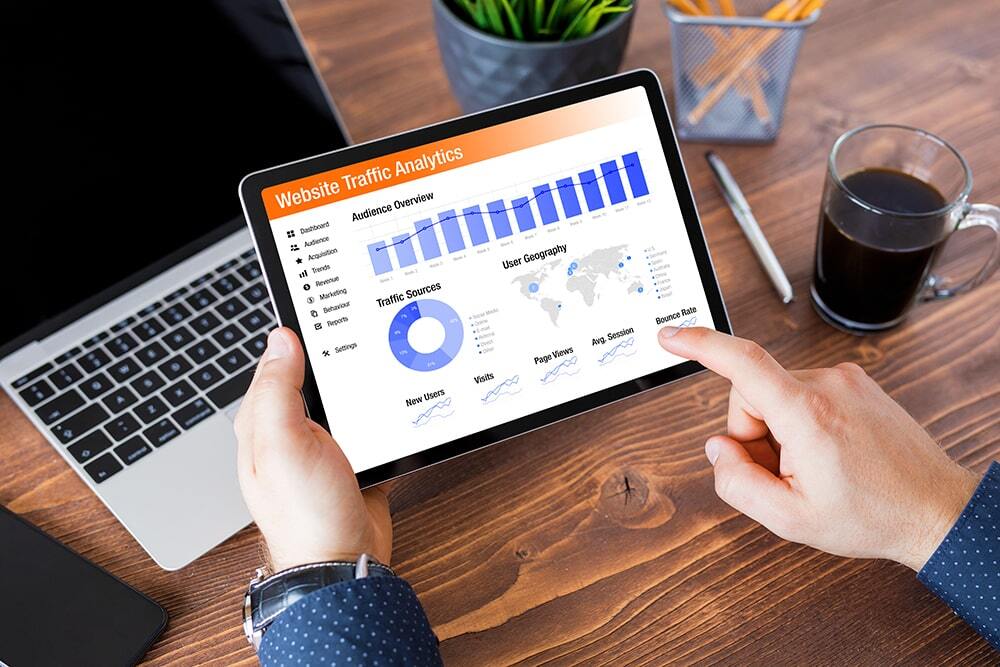
person viewing analytics on a tablet

Understand GBP Restrictions

Once you meet all the requirements to get set up, you have to follow the content guidelines and restrictions. You can review all the nitty gritty details, but we’d like to walk you through the ground rules with the following tips: 

  1. Keep your content clean and cohesive. Don’t play clickbait. Display high-quality, relevant content and don’t focus specifically on special promotions or display offensive content.
  2. Provide specific, accurate information. Always. Make sure your business name, address and phone number is specific and correct. Keep your business hours up-to-date and change when necessary. Note that some businesses should not add hours of operation if they do not have a consistent schedule. An example of these would be schools, movie theaters, event venues, etc. However you do have the option to set seasonal hours, temporary closures and events. 
  3. Present your business with a purpose. Ensure you set up your Business Profile on Google under the appropriate categories. Try answering the phrase, “My business is” instead of “My business has,” to choose categories that describe your overall business. But keep it to a minimum.

Chains, Departments, and Individual GBP Settings

There may be specific guidelines for chains, departments and individual practitioners that have to be followed as well. In regards to names and categories, make sure you represent your department as the company first the department second. A couple good examples include: Walmart Vision Center and Publix Pharmacy. However, individual practitioners should have a profile separate from their location and organization. In this case, the location should have its own profiled. 

Setting up a Business Profile on Google is a resourceful tool to communicate important details and information with your in-state and out-of-state customers. Here’s more information on how you can customize your profile to rank better and bring in more customers. If you’re interested to see how Push has helped businesses plus up their online presence, check out our work here. Ready to get your business on Google? If you’re in need of a helping hand, guide or just want to ask a few questions, we’re here for you. Just send us a message here.

Categories
Tourism Advice Lifestyle Trends

Tourism Marketing Predictions for 2023-2024

It’s 2023 and travel is finally taking off again. Today, digital travel sales have bounced back to pre-pandemic levels. They’re even expected to hit $833 billion in 2025. Besides the obvious reasons travel sales have gained their turbo-charged momentum, market shifts, tech advancements and changing attitudes can take some credit for moving the needle far, far ahead. If you’re a tourism marketer looking for an edge over your competitors, here’s what our top tourism industry trends 2023 will bring.

Bleisure travel will continue to rise.

While Millennials have already taken over a large portion the workforce, Gen Z has begun infiltrating and their numbers will only continue to grow. What does this mean for travel? With the shift in demographics, business leisure travel is on the rise. Even before the pandemic, 90% of Millennials tacked on entertainment activities to their business trips. Now, employees are taking advantage of flexible corporate travel policies and utilizing their resources, like self-service apps and programs, to optimize their stay. Consider appealing to young, business professionals and business travel trends post covid when marketing your hospitality or tourism company this year.

Sustainability will influence travel decisions.

With the shift in demographics, advertisers and marketers will have to pay close attention to how tourism trends 2023 will hold and appeal to their target audience’s changing preferences. Recently, green initiatives have become a hot topic. It’s reported that seven in ten consumers have actually avoided certain tourism spots because they were skeptical of their sustainable practices. This includes climate, environment and even culture. Travelers in 2024 are expected to closely consider climate warnings when it comes to their travel choices as well as the impact their travel may have on native cultures.

Travelers will prefer unique, authentic experiences.

Experiential tourism is hot right now. Travelers want once-in-a-lifetime adventures. They want to get on the same level as the locals. That’s why many travelers prefer non-traditional accommodations, so they can explore their destination with a different lens. In fact, 74% of millennial business travelers opted for vacation rentals versus hotels. If hospitality and tourism brands want to show their consumers all the unique and authentic experiences they offer, they will need to up their digital ad game. Leveraging video assets will give digital ads a stronger search presence to win over their audience’s attention and ignite their wanderlust. Other useful initiatives to do this include: influencer campaigns, loyalty programs, digital promos, social media strategies and more you can read about here.

Personalization & automation will make travel more convenient.

Bye, bye travel agents. The modern travelers are utilizing self-service apps and programs to meet their accommodations and preferences. Tech advancements make their travels almost completely contactless. From mobile boarding to facial recognition, faster in-flight travel updates and more, tech innovations will make the process smoother and more convenient, giving travelers that much more reason to jet off at a moment’s notice. The future of tourism in 2023 is moving toward a fully automated world.

For more ideas or questions about how you can apply this information to your brand, feel free to reach out. Push can help take your brand to the next level.

Categories
Branding Marketing Communications Advice

Reuse and Repurpose: The Fastest, Most Effective Way to Create High Quality Content

Creating brand new content can be time consuming. Instead, consider repurposing existing content to give it a new life online. This will not only save you a lot of time and effort, but it will also help you grab your target audience’s attention and direct them to your site.

In this post, we’ll take a look at how you can repurpose your previously published content into digital media that can be used again and again.

Tip #1: Curate Content

Content curation is becoming an increasingly popular tactic among healthcare marketers and professionals in an array of industries. You can curate content by collecting information available online from other people and publishers and using it to your advantage. This can help increase the amount of content you produce and lower the amount of time spent to create it. Content curation also helps to add credibility and third party validations to your marketing efforts.

While you are curating content, you’ll want to look for something called evergreen content. Evergreen content is content that can be reused often and will continue to stay relevant over time. When repurposing content from other platforms, no editing is usually required.

Tip #2: Switch it Up

If you’ve created content that has performed well, why not give it another chance to shine? Changing the format of your content gives your audience more opportunities to engage with it without feeling redundant.

For example, the amazing infographic you created that’s chock full of information, could be transformed into a blog post to present the same data in a new, different, and perhaps more enjoyable structure for your audience.

Additionally, you can transform content you have created to fit different online spaces. You can turn lengthy blog posts or infographics into bite-sized pieces of content to post on social media. Alternatively, you can expand on pieces of information used in social media posts to create more in-depth content like a newsletter or podcast.

Keep your audience interested by using your data in different mediums. This will help your information look new without investing too much time collecting new ideas for content.

business women working on digital tablet and laptop

Tip #3: Utilize Social Media Platforms

If you have content that is still valuable to your audience, consider using it on social media platforms. This will help direct viewers to your website while saving time and resources.

Content that is quick and easy to read will work best for social media use. By transforming your old content into more concise content that is better-suited for social media, you will be able to cross-promote across different platforms to reach more people without the hassle of creating brand new content for each profile you have.

Tip #4: Make Your Content Stand Out

Although you will be reusing similar information, you can still make your content impactful. Make sure the digital media content you publish is meaningful to your audience. Stay away from directly copying your curated content, but instead try to add your own ideas and insight. This will make sure your content will stand out from your competition.

Repurposing content can be an easy way to save time, but make sure you are creating content that is relevant to your content marketing strategy.

Want to learn more? For more marketing ideas, check out our work here  and get in touch  to hear how Push can help take your brand to the next level.

Categories
Tourism Social Branding Advice Trends

How to Attract Skiers and Snowboarders to Visit Your Resort

With ski season just around the corner, resorts are ramping up advertising to lure in the next season of skiers and snowboarders ready to hit the slopes. The good news is that travel demand and snow sports are growing rapidly. The trickier part is how to differentiate yourself from the competition. We’ve compiled a few digital marketing tips to help elevate your tourism marketing efforts.

Create a personal connection with guests 

People love to build traditions around travel, so incentivizing your guests to make your resort the place that they visit year after year only makes sense. You can offer a loyalty program that rewards frequent guests by providing discounts on amenities, resort services, dining and more. Or consider extending annual seasonal offers that guests can look forward to and plan ahead for.

Offer event packages

In a similar vein, you could consider creating special event packages that include accommodations, food and beverage specials, and event space that make

thumb tack on a calendar with the word event on the calendar

 your resort stand out from the pack for those looking to make plans for a large group. Keep in mind that per person pricing can often be an important selling point to those looking to book conference space, meetings, group events or weddings.

Have a sound social media strategy 

It’s no secret that you need to be taking advantage of social media, especially given how picturesque content is for the ski and snowboard industry, but it’s important to be consistent and strategic. Put plans in place to create your own content—beauty shots, behind-the-scenes footage and educational videos are a great place to start. Then execute on social media best practices for organic content—post on a schedule, use hashtags to help you gain visibility, jump on trends or memes if they are appropriate for your brand and repost or share content captured at your resort. 

Reach out with email marketing

Use your email list to send out monthly newsletters with promotional offers, discounts on equipment, snow conditions, exciting events at your resort, local attractions and more. You can also use email to break down more complicated procedures like booking a reservation, which can increase sales by an average of 20%, according to a DemandGen Report. And personalizing your emails with a special offer could increase those numbers ever more.

laptop computer open to an email application

For more marketing ideas, check out our work here and get in touch to learn more about how Push can help take your brand to the next level. 

Categories
Real Estate Social Branding Advice Trends

Marketing Your Real Estate Brand In A Seller’s Market

It’s no secret. A seller’s market can hold quite the advantage over home buyers. Although home prices  have been steadily increasing in the United States, the rising costs aren’t stifling buyers. In fact, most houses were purchased through a real estate agent or broker in 2020 and 73% only interviewed one real estate agent to help them with their home search. While some realtors may question the importance of marketing a home or even their own brand considering the current market, there are several benefits to building awareness and getting in front of home buyers. Learn how you can upgrade your brand with these unique real estate marketing ideas to win over clients and prospects with the following tips.

TIP #1: CREATE A NEWSLETTER

Keep in touch with your clients and prospects with a neighborhood newsletter, perfect for sharing valuable, local information through print or digital resources. You can include news, helpful tips, events, recipes—you name it—anything your community will find useful should be considered for your newsletter. You can also showcase client success stories and listings to keep your real estate brand relevant with your audience. And it doesn’t have to be anything fancy—just enough to keep your brand in the front of their mind and set your brand up as a credible source for the community. 

TIP #2: UPGRADE YOUR DESIGN & CREATE MERCHANDISE

Appeal to more prospects by considering a design rebrand. Show them and your current clients you’re in touch with modern times. While a complete overhaul may not be necessary, you can elevate your real estate marketing materials like your business cards, sell sheets, brochures and letterheads with a few new details to show you can adapt to the ever-changing environment around us. And get creative with your new and improved designs. Slap it on some merch and free swag to give and get your brand name on the street.

TIP #3: HAVE STRONG ONLINE & SOCIAL MEDIA PRESENCE

We already know most home buyers only interviewed one real estate agent to help them with their home search, which is why it’s immensely important to get your brand in front of prospects as quickly, and efficiently, as possible. One of the best ways to do this is by creating or updating your real estate business’ website. Keep it clean, up-to-date and easy to navigate to make the home buying experience simple and effortless for your clients and prospects.

One key component you should include on your site are your listings—and consistently update them. This will increase traffic to your page by prospects regularly searching for new properties. You can also add a helpful or interesting element, like a mortgage calculator or client testimonial video, to delight your website visitors and keep them there long enough to learn more about your services and offerings.

Besides updating and creating content for your brand’s website, you can also create a Zillow profile and run paid social media campaigns to get your name in front of a larger crowd and lead them back to your website. However, if you decide to run ads on social media, you must ensure your website is optimized for mobile because your target will most likely see these ads on their phones.

For more luxury real estate marketing ideas and how you can elevate your brand’s online presence with digital marketing tactics, check out these tips. You can also find the work we’ve done for our brands here. If you’re not sure where to start or need help updating your brand, don’t hesitate to reach out and connect with us for more information.